광장공포증
광장공포증은 한꺼번에 찾아오는 경우가 드뭅니다. 더 자주 세상이 조용히 줄어듭니다. 처음에는 고속도로, 그다음 특정 가게, 그다음 여동생 집 방문, 그러다 어느 날 자신도 모르게 얼마나 많이 거절해왔는지 깨닫게 됩니다.
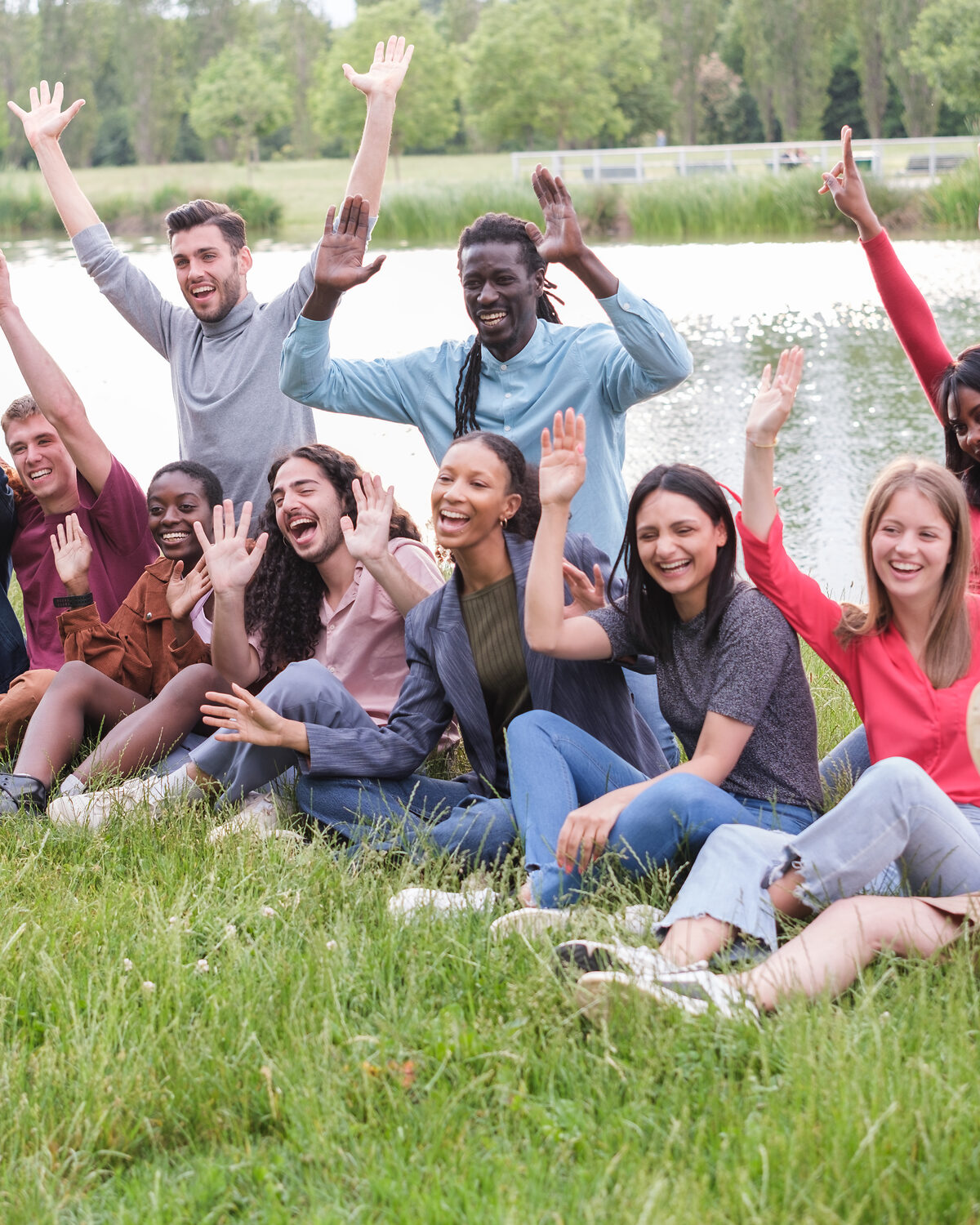
Agoraphobia is the fear and avoidance of places or situations from which escape might be difficult — crowds, public transit, freeways, being far from home. Treatment in Los Angeles uses CBT with paced, voluntary exposure, gently re-expanding the territory your nervous system has gotten cautious about. Telehealth groups are available for clients for whom leaving the house is currently harder.
자신이 겪고 있는 것을 변명할 필요가 없습니다.
다른 사람들이 사용한 말로 표현한 인식 가능한 순간들입니다. 몇 가지가 공감된다면 — 그것은 정보이지, 판결이 아닙니다.
집에서 더 안전하게 느끼고, 그 안전함에는 느끼기 시작하는 대가가 있습니다.
붐비는 장소, 줄, 대중교통, 고속도로, 차나 화장실에서 멀어지는 것 — 각각이 1년 전에는 없었던 무게를 가지고 있습니다.
행사, 일, 가족 의무, 의사 약속을 거절했습니다. 이유에 대해 창의적이 되었습니다.
원격 진료가 안도감이었고, 동시에 세상이 작아진 방법의 일부이기도 했습니다.
출구 전략을 얼마나 의존하게 됐는지 걱정됩니다.
대부분의 사람들에게 말하지 않았습니다. 이해할지 확신이 없습니다.
집을 나서는 것에 대해 이렇게 많이 생각하지 않았던 자신의 모습이 그립습니다.
이런 종류의 불안이 보통 어떻게 발생하는지.
Agoraphobia affects roughly 1.3% of US adults in any given year. About two-thirds of people with agoraphobia also have panic disorder; the two patterns develop together more often than separately.
Common pathway: a panic attack in a particular setting (the freeway, the grocery store, a movie theater) creates an association between that setting and the panic. Future avoidance of that setting becomes a relief, then a habit, then a constraint. The territory shrinks one decision at a time. Most people don't realize how much it has shrunk until much later.
Other contributors include extended periods of relative isolation, recovery from a major medical event, certain post-pandemic patterns where the world stayed smaller after the immediate restrictions ended, and temperament that runs on the more cautious end. Agoraphobia can develop without panic disorder, but it's less common.
"We will meet you where you are — including online, if that's where you are."
유사한 패턴과의 구별.
이 상태가 비슷해 보이는 패턴과 어떻게 다른지 일상적인 언어로 간단히 설명합니다.
What agoraphobia is: persistent fear and avoidance of two or more situations (public transit, open spaces, enclosed spaces, lines or crowds, being away from home alone) due to fear that escape would be difficult or help unavailable.
What agoraphobia isn't: introversion or homebody preferences. Reasonable caution after a recent illness or medical event. Avoidance of a single specific situation (that's a specific phobia). General anxiety about everything (that's GAD). Avoidance only in social situations (that's social anxiety).
치료가 어떻게 도움이 될 수 있는지
광장공포증은 치료 가능합니다. 표준 접근법은 CBT와 단계적이고 자발적인 노출을 결합합니다 — 신경계가 조심스러워진 영역을 부드럽게 다시 확장합니다. 원하는 것을 할 수 있기를 바라는 속도가 아니라, 오늘 할 수 있는 것을 존중하는 속도로 나아갑니다.
광장공포증이 있는 많은 사람들은 공황장애도 함께 가지고 있으며, 저희는 두 가지를 함께 치료합니다. 공황이 덜 무서워지면 광장공포증이 완화됩니다. 두 패턴은 함께 얽혀 있고, 작업이 그것을 풀어냅니다.
집단 치료는 여기서 강력할 수 있습니다. 집을 나서기가 더 어려운 시기에는 원격 진료 집단도 포함됩니다. 다른 사람들이 세상의 서서히 줄어드는 것을 — 그리고 서서히 다시 넓어지는 것을 — 묘사하는 것을 들으면 작업이 덜 외롭습니다. 현재 있는 곳에서 만나겠습니다, 그것이 온라인이라면 온라인에서도.
저희가 활용하는 접근법
CBT with paced exposure
Standard treatment for agoraphobia. We start where you actually are, not where you wish you were, and re-expand the territory in steps you can take.
Treatment of co-occurring panic
Most agoraphobia is intertwined with panic. Treating both together is more effective than either alone — as panic becomes less frightening, agoraphobia loosens.
Telehealth group therapy
For clients for whom leaving the house is currently harder. Hearing others describe the slow shrinking — and the slow re-expansion — makes it less lonely.
Common shapes agoraphobia takes
어떤 두 가지 증상도 완전히 같지 않습니다. 아래는 저희 임상에서 보는 일반적인 형태들입니다 — 자신이 겪고 있는 것에 가장 가까운 버전을 찾을 수 있도록 포함했습니다.
Freeway-specific agoraphobia
Particularly common in LA. Avoidance of freeways, then surface streets, then driving entirely.
Crowd-specific agoraphobia
Avoidance of grocery stores, theaters, large venues. The territory shrinks one decision at a time.
Travel / distance-from-home agoraphobia
A "safe radius" that has gotten smaller over months or years. Trips out of LA become harder; eventually so do trips out of the neighborhood.
Public-transit agoraphobia
Less common in car-dependent LA than in transit-heavy cities, but real for clients who do rely on public transit.
Post-COVID agoraphobia
A pattern that emerged after lockdown periods: the world stayed smaller after the immediate restrictions ended. Treatment is the same; the contributing factors are specific.
Agoraphobia without panic
Less common, but exists. Avoidance of situations from which escape would be difficult, without the panic-attack history.
주별 일반적인 치료 과정.
모든 사람은 자신만의 속도로 나아갑니다. 아래 단계들은 작업이 보통 어떻게 전개되는지에 대한 솔직한 개요입니다 — 처방이 아닙니다.
Weeks 1–4
Establish the picture — what's been getting harder, what hasn't, what your nervous system has been protecting you from. Begin in-the-moment skills.
Weeks 4–14
Begin paced re-expansion. We move at a speed your nervous system can carry today, not what you wish it could. Each step is your choice.
Weeks 14+
Generalize and stabilize. Many clients who started over telehealth move to in-person sessions during this phase, often by their own preference.
저희가 서비스하는 LA 주민들에게 특유한 패턴.
LA's geography creates specific agoraphobia patterns. Freeway-specific avoidance is common — a panic episode on the 405 or the 5 leaves a strong association. The car-dependent layout of the city means avoidance of driving cuts you off from much of life quickly. We've also seen post-pandemic agoraphobia patterns persist longer than expected, particularly in clients who lived alone during 2020–2022. Our telehealth program is built precisely for this: we can begin treatment without you having to leave the house, and re-expand the territory at the pace your nervous system can carry.
LA 대도시 지역에서 이 치료가 이루어지는 곳.
Our office is in Pasadena (301 N. Lake Ave, Suite 600) with parking on site and easy access from the 134, 210, and 110 — most of our in-person clients commute from the San Gabriel Valley, the Eastside neighborhoods (Eagle Rock, Highland Park, Atwater Village), the Glendale–Burbank corridor, and central Los Angeles. For clients in the Westside, the San Fernando Valley, the South Bay, Long Beach, and Orange County, telehealth is often the more practical format. California has strong telehealth parity laws (Bus. & Prof. Code §2290.5) — most major insurance plans cover telehealth at the same in-network rate as in-person care, and our clinicians see clients across the full state.
첫 번째 통화 전에 사람들이 자주 묻는 것들.
What if I can't make it to the office?
Then we start over telehealth. That's not a workaround — it's a clinically valid starting point that gets us into the work today instead of someday. Many of our agoraphobia clients begin this way.
Is this related to panic disorder?
Almost always. Most agoraphobia develops as the world quietly shrinks around panic. We treat both together — the two patterns are knit together, and the work untangles them.
Will I have to ride a freeway / get on a bus / go to a stadium?
Only if those are part of the life you want. Treatment is shaped by your goals. We don't push you toward feared situations that aren't relevant to the life you're trying to live.
How long until things get better?
Most clients notice meaningful change in 8–16 weeks. Agoraphobia that's been entrenched for years takes longer; we move at a pace that stays sustainable rather than rushing it.
What if I've isolated for years?
We've worked with clients who were largely housebound for years before starting. The work is slower and the early steps are smaller — but the underlying mechanism responds the same way. Reach out. Even the call counts as a step.
이것이 공감된다면, 이것들도 종종 그럴 것입니다.
공황장애 및 공황 발작
Most people who've had a panic attack remember it the way you remember a bad fall.
공황장애에 대해 읽기
범불안장애
If your mind has been busy for so long you can't remember when it wasn't, you're describing what we treat every week.
범불안장애 (GAD)에 대해 읽기
특정 공포증
Phobias are one of the most frustrating anxiety experiences because the disconnect is so visible.
특정 공포증에 대해 읽기첫 번째 대화는 짧습니다. 나머지는 저희가 처리하겠습니다.
이전에 무엇을 시도했든, 이 상태가 얼마나 오래 지속되었든 — 전화, 이메일 또는 연락 양식으로 연락하세요. 저희 의료 코디네이터가 질문에 답하고, 보험을 확인하고, 맞는 임상의를 찾는 데 도움을 드립니다.